
Who Pays for a Trip-and-Fall Sidewalk in Florida: Owner, HOA or City?
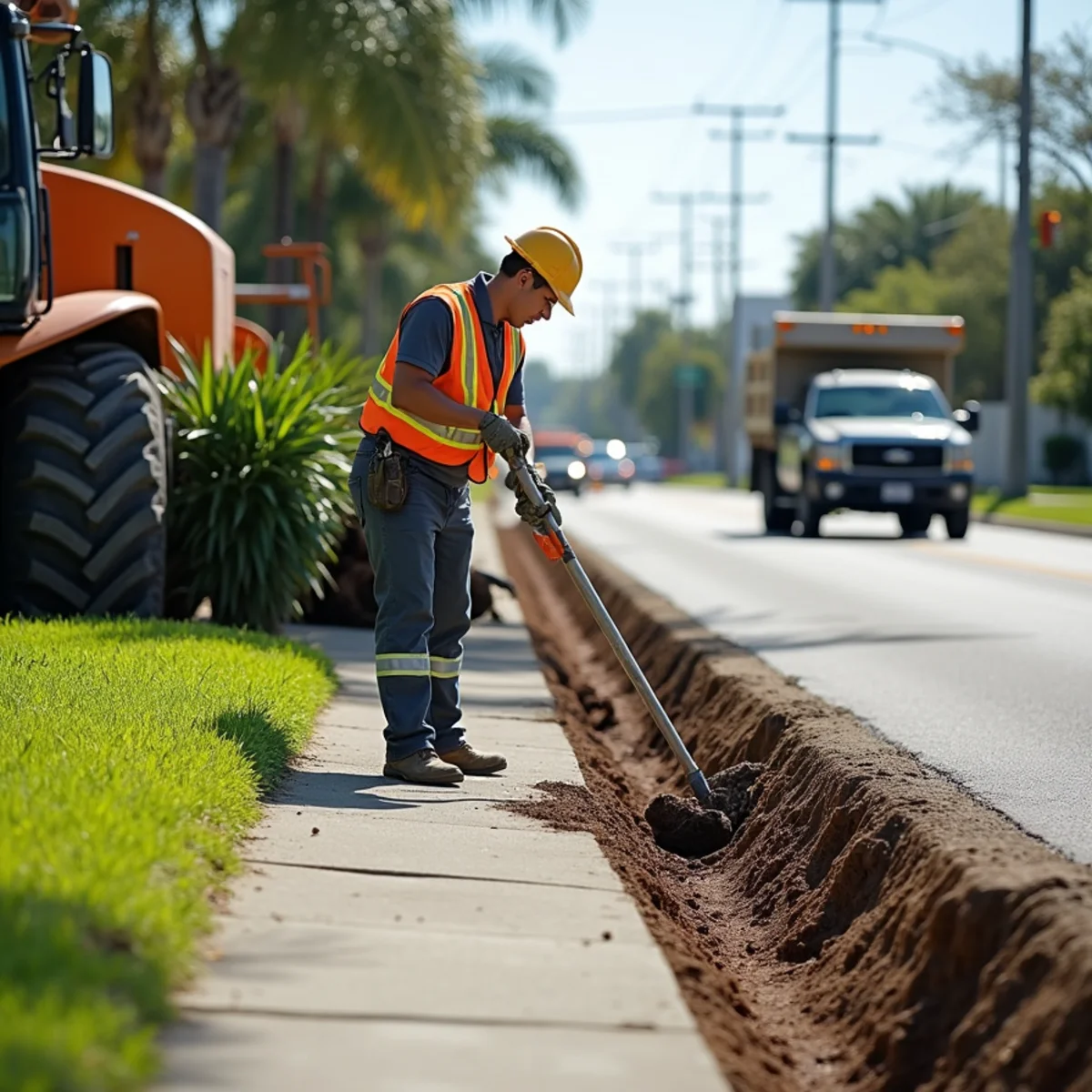
Expert South Florida concrete guidance on who pays for a trip-and-fall sidewalk in florida: owner, hoa or city?. Understand local building codes, cost benchmarks, drainage fixes, and repair strategies.
Maintaining safe, durable, and visually appealing concrete flatwork in South Florida requires an in-depth understanding of local environmental forces. Between subtropical heat, torrential tropical downpours, high water tables, and strict municipal building codes, property owners and HOA boards face distinct challenges. This guide breaks down the essential factors surrounding who pays for sidewalk repair florida, offering actionable guidance, cost expectations, and professional contractor insights.
Executive Summary: What Every South Florida Property Owner Needs to Know
When addressing concrete flatwork issues in Broward and Miami-Dade counties, immediate diagnosis is critical to preventing compounded structural damage. South Florida receives over 60 inches of rainfall annually, with summer convective storms regularly depositing 3 to 4 inches of rain within a few hours. In uncompacted sandy subgrades, this volume of water causes soil erosion, voids, and differential settlement beneath driveways, walkways, and slabs.
By identifying early warning signs, understanding local municipal permit requirements, and insisting on engineered installation standards—including 4,000+ PSI ready-mix formulations and Grade 60 steel rebar reinforcement—property owners protect both their investment and their safety.
Key Symptoms and Warning Signs
Before undertaking any major concrete project or repair, inspect your flatwork for these common indicators:
- Step-Down Offsets Greater Than 1/4 Inch: Vertical displacement between adjacent sidewalk or driveway panels creates severe trip-and-fall hazards and ADA violations.
- Radial or Spiderweb Cracking: Surface map-cracking indicates rapid moisture loss during initial curing or excessive surface water addition.
- Negative Grade Slopes: Flatwork sloping toward exterior stucco walls or garage thresholds funnels stormwater directly into living spaces.
- Hollow Voids Under Slab Edges: Water runoff eroding sandy base material leaves unsupported concrete corners vulnerable to fracture under vehicle axle loads.
- Surface Spalling and Scaling: Chloride salts from coastal air or poor surface finishing cause the top cream layer of concrete to flake away.
South Florida Environmental Dynamics & Code Regulations
Under the Florida Building Code 8th Edition (2023) High-Velocity Hurricane Zone (HVHZ) provisions, all structural concrete work in Broward and Miami-Dade counties must adhere to stringent engineering criteria. Unlike northern climates where freeze-thaw cycles dictate concrete design, South Florida flatwork must withstand:
- Intense Thermal Cycling: Concrete surfaces expand dramatically in midday sun exceeding 140°F, requiring properly tooled expansion joints spaced at 2.5 to 3 times slab thickness in inches.
- High Water Tables: Groundwater levels often rise within 18 inches of finished grade during king tides and rainy season peaks, accelerating rebar oxidation if concrete cover is insufficient.
- Municipal Right-of-Way Rules: Any construction affecting swales, curbs, or sidewalks requires specific permits from city public works departments (e.g., City of Miramar, Pembroke Pines, Hollywood).
- Notice of Commencement (NOC): Under Florida Statutes § 713.13, any improvement with a contract value of $5,000 or greater requires a recorded Notice of Commencement before the first inspection can be approved.
Comprehensive Comparison & Decision Framework
Use the following benchmark table to compare common remediation approaches and material choices:
| Remediation Method | Typical Application | Expected Lifespan | Turnaround Time | Primary Benefit |
|---|---|---|---|---|
| Precision Diamond Grinding | Raised sidewalk joints under 1" | 10–15 Years | Same Day | Eliminates trip hazard at 85% lower cost than repour |
| Full Panel Saw-Cut & Repour | Fractured or heaved slabs | 25–30+ Years | 2–3 Days | Restores full structural load capacity with steel rebar |
| Polymer Slurry Resurfacing | Surface spalling & cosmetic wear | 8–12 Years | 1–2 Days | Restores uniform texture without heavy demolition |
| Polyurethane Void Injection | Settled, sunken concrete panels | 15–20 Years | 2–4 Hours | Fills voids and lifts slabs back to positive grade |
Step-by-Step Professional Execution Workflow
When hiring an experienced concrete contractor in South Florida, expect the following disciplined process:
- Laser Elevation & Drainage Audit: Field technicians shoot laser elevations from structure thresholds out to street swales, ensuring positive drainage fall.
- Subgrade Excavation & Limerock Compaction: Unstable organic muck is removed down to solid ground, followed by certified Florida crushed limerock compacted to 95% Standard Proctor density.
- Steel Rebar Installation: Grade 60 #4 (1/2-inch) steel rebar is tied on concrete chairs, securing reinforcement in the middle third of the slab.
- High-Strength Ready-Mix Placement: Minimum 4,000 PSI concrete is poured with controlled slump and consolidated with mechanical vibrators.
- Finishing & Contraction Joint Cutting: Surface textures (broom, cool-deck, or stamped) are applied, followed by precision joint tooling to absorb thermal stress.
- Moisture Hydration Curing: Curing compounds or wet burlap retention methods are applied to guarantee maximum 28-day compressive strength.
Frequently Asked Questions
What causes concrete to crack in South Florida?
Concrete naturally shrinks as moisture evaporates during hydration. Without properly spaced contraction joints (every 8 to 10 feet for a 4-inch slab), internal tensile stress relieves itself through uncontrolled, jagged surface fractures.
How do I prevent water from ponding on my concrete flatwork?
Flatwork must be engineered with a minimum laser-calibrated fall of 1/8 to 1/4 inch per linear foot. Where site topography limits natural slope, heavy-duty trench drains connected to swales provide positive drainage.
Can an HOA board be held liable for sidewalk trip hazards?
Yes. Florida premises liability law holds property owners and community associations responsible for maintaining common elements in a reasonably safe condition. Unaddressed sidewalk vertical offsets over 1/4 inch represent significant legal exposure.
When should I choose grinding over full slab replacement?
If the concrete panel is structurally sound without deep spiderweb fractures, precision diamond grinding removes the raised lip smoothly, restoring ADA compliance at a fraction of replacement cost.
Work With South Florida's Trusted Concrete Specialists
Whether you need urgent trip hazard grinding, cracked driveway replacement, or engineered foundations, M and C Concrete Services delivers exceptional craftsmanship across Miramar, Broward County, and Miami-Dade. Call our dispatch team today at (833) 334-0468 for a free, comprehensive on-site estimate.
Have Questions About Your South Florida Flatwork?
Call our Miramar engineering desk for honest advice, laser elevation surveys, and upfront written estimates.
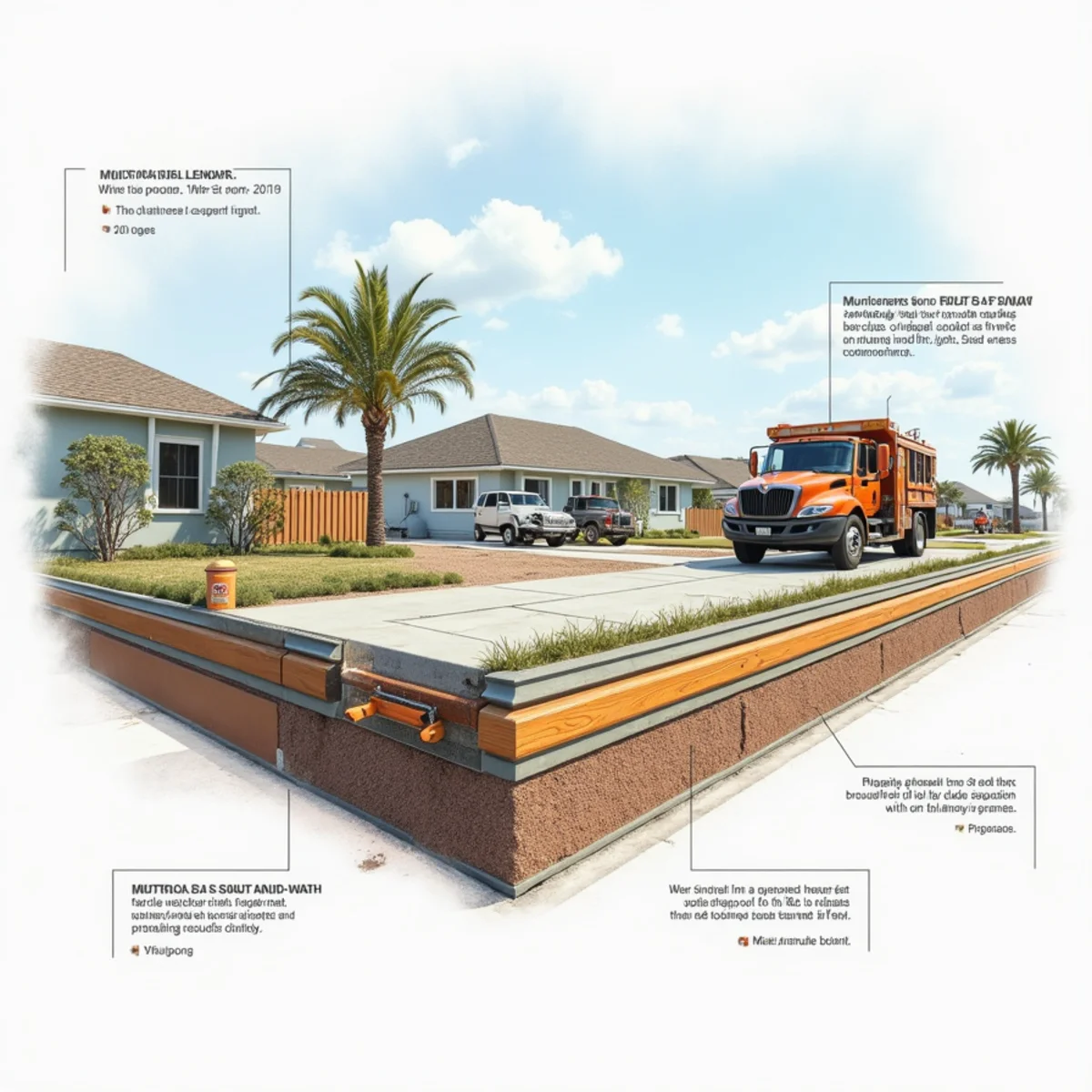
Figure 1: Private Property Line vs Municipal Right-of-Way
Figure 2: Florida HOA Premises Liability Risk Thresholds
Technical Trade-Offs & South Florida Subbase Specifications
When executing flatwork, foundation pours, or surface restorations across Broward and Miami-Dade counties, the primary point of failure is rarely the surface finish—it is the subbase preparation. South Florida soils consist of uncompacted native sand, organic muck pockets from reclaimed Everglades terrain, and porous oolitic limestone. When torrential summer rains deliver 3 to 4 inches of precipitation within hours, uncompacted subgrades experience hydrodynamic soil erosion and subsurface piping, leaving concrete unsupported.
To eliminate premature cracking and panel settlement, professional contractors enforce three non-negotiable structural criteria under the Florida Building Code 8th Edition (2023) High-Velocity Hurricane Zone (HVHZ) provisions:
- Subbase Compaction: Mechanical compaction of certified Florida crushed limerock base to 95% Standard Proctor density, eliminating differential subsidence.
- Steel Reinforcement: Grade 60 #4 (1/2-inch) deformed steel rebar matrices tied on 12-to-18-inch centers elevated on concrete chairs, rather than welded wire mesh that rests on the dirt.
- High-Strength Ready-Mix: Minimum 4,000+ PSI compressive strength mix with low water-cement ratio and ASTM C309 curing compound application to resist thermal shrinkage in 95°F heat.
For properties near tidal canals or the Intracoastal Waterway, marine exposure requires strict adherence to Broward County Code Chapter 39 Article XXV, setting seawall top-of-cap elevations at a minimum of 5.0 feet NAVD88 to guard against king tide inundation.
Questions and Expert Answers
Frequently Asked Questions
Clear answers regarding permits, pricing, curing schedules, and South Florida building codes.
Concrete shrinks as it cures; without properly spaced control joints and steel rebar, natural thermal stress relieves itself through uncontrolled surface cracks.